
Montreal · Quebec · Paris · online
Stress Management and Balance for Leaders
Protecting the health capital of those who lead and decide. A risk-management and sustainable-performance approach, not a wellness programme.
A clear-headed, rested and calm leader makes better decisions. We help them spot the warning signs, protect their time and energy, and break the isolation of the role.

- Risk management for the organization
- 4 levers health, disconnection, delegation, isolation
- A safe space neutral and confidential
- In person or online wherever you are
For HR directors and boards
A risk-management issue
A leader’s exhaustion does not show first in their results, but in the quality of their decisions. And the person concerned often does not realize it.
It is up to the organization to spot those who are working too hard and to start the conversation preventively, before the sleepless nights, the palpitations or the sudden departure. Protecting the health of your leaders protects the sustainable performance of the company.
Four levers to go the distance
-
Protect your health capital
Prevent exhaustion before it sets in, and adopt the lifestyle of a high-performance athlete.
- Burnout prevention: spotting the physiological and psychological warning signs (sleep problems, irritability, saturated mental load).
- The lifestyle of a high-performance athlete: protecting recovery time, optimizing diet, sleep and physical activity despite a fragmented schedule.
- Managing acute and chronic stress: tools to regulate the nervous system (heart coherence, cognitive micro-breaks, mindfulness) to handle peaks of crisis.
-
Disconnection and mental load
Drawing a clear line between the leader’s role and private life, and easing decision fatigue.
- The right and discipline to disconnect: breaking with digital hyper-availability and setting up transition rituals between work and private life.
- Decision-making load: structuring decision routines and eliminating low-value tasks.
- Balancing life priorities: realigning the schedule with personal, family and health values, to stop feeling permanently sacrificed.
-
An organization that protects
Setting up governance that no longer rests entirely on your shoulders.
- The art and courage of delegating: letting go of the illusion of being indispensable, empowering your direct reports and building autonomous decision channels.
- Time and rhythms: aligning the schedule with your high-energy moments, for example mornings for strategy and afternoons for meetings.
- An operational shield: learning to say no to non-strategic requests and building an inner circle, an assistant or right-hand person, who protects your time.
-
Break the isolation
Loneliness comes with the role. It is not inevitable.
- A safe space: a neutral, confidential space free of politics to share the doubts, fears and loneliness of the role.
- Accepting vulnerability: moving past the myth of the infallible leader to allow yourself to ask for help and surround yourself well.
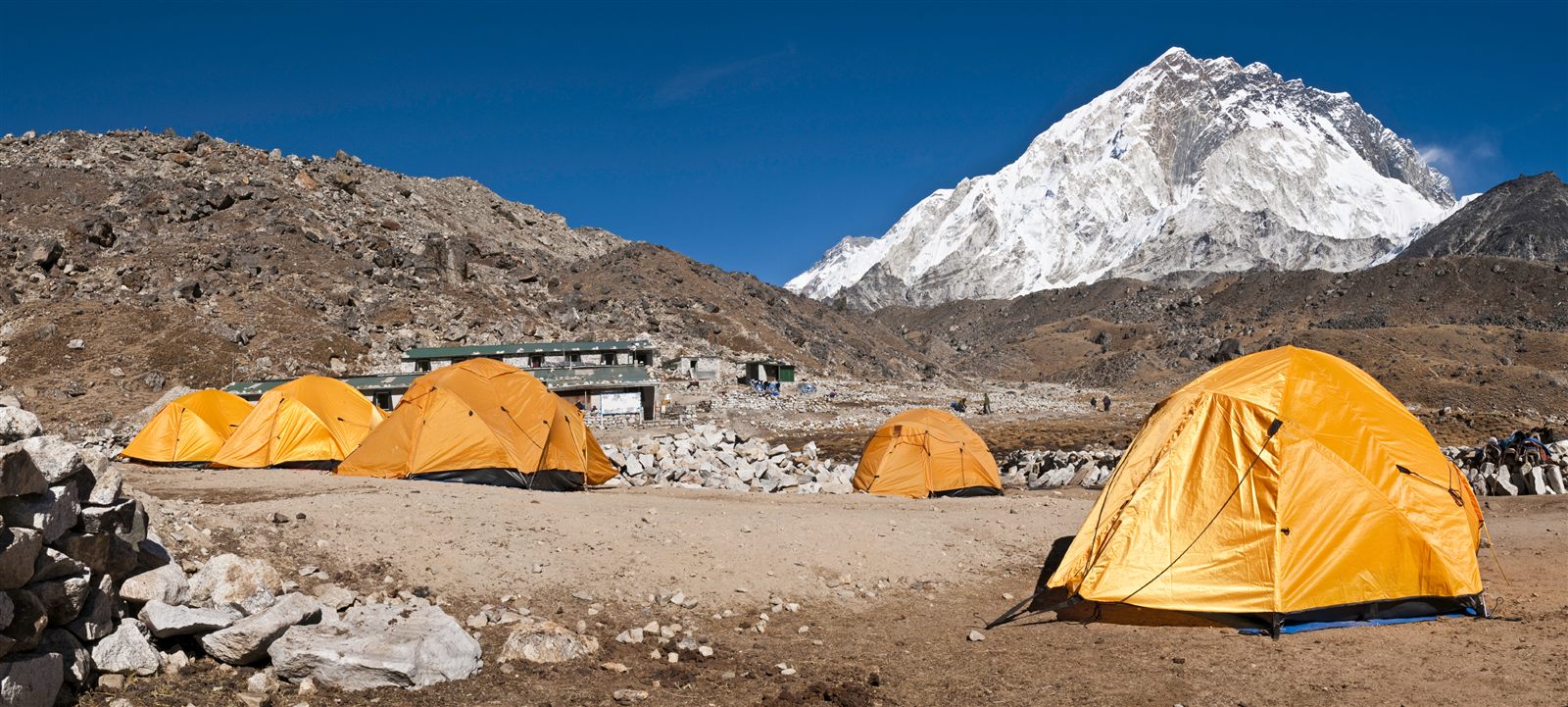
“Who wants to go far takes care of their horse.”
Frequently asked questions
Is this a wellness programme?
No. It is a risk-management and sustainable-performance approach: protecting the health and clear-headedness of those who lead and make the company’s decisions.
What are the warning signs of exhaustion?
Sleep problems, irritability, a saturated mental load, the feeling of no longer being able to disconnect. The person concerned often does not realize it, which is why colleagues, HR or the board have a role to play in prevention.
Does coaching replace medical follow-up?
No, it complements it. In case of established exhaustion, anxiety or persistent symptoms, follow-up by a health professional is essential; coaching works on the leader’s organization, habits and stance.
Who can offer this coaching to a leader?
The HR department, the board of directors, or the leader themselves. In every case, what is said in sessions remains confidential.
Which stress management tools do you use?
Tools to regulate the nervous system such as heart coherence, cognitive micro-breaks and mindfulness, and, depending on needs, hypno-coaching.
Can coaching be done remotely?
Yes. We meet clients in Montreal, Quebec City and Paris, and coach online wherever you are, which makes it easier to fit into a busy schedule.
Your coaches
A team to support you
Certified coaches with real business experience, in Montreal and Paris: choose the one you want to move forward with.
-
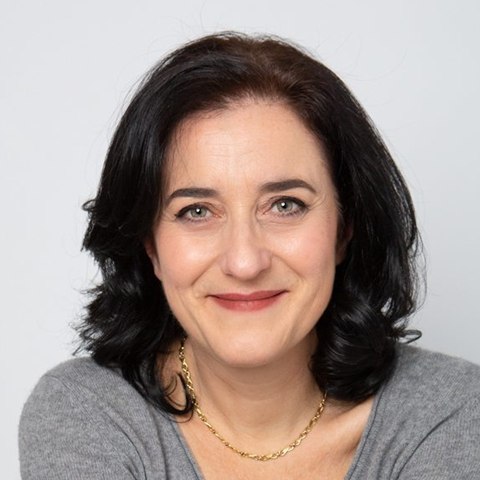 Guillemette Moreau
Coach for executives and leadership teams
Montreal · Quebec · online
-
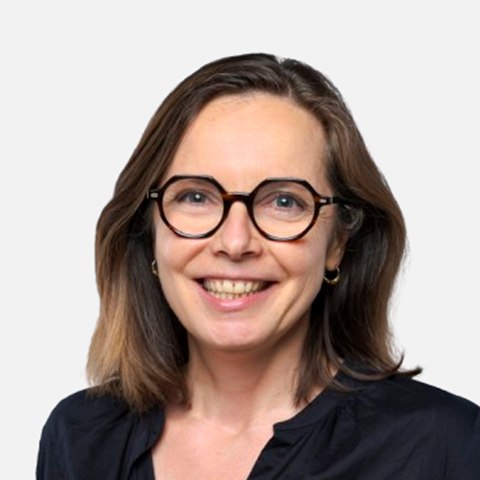 Laure Pélissier
Executive coach and collective intelligence
Paris · online
-
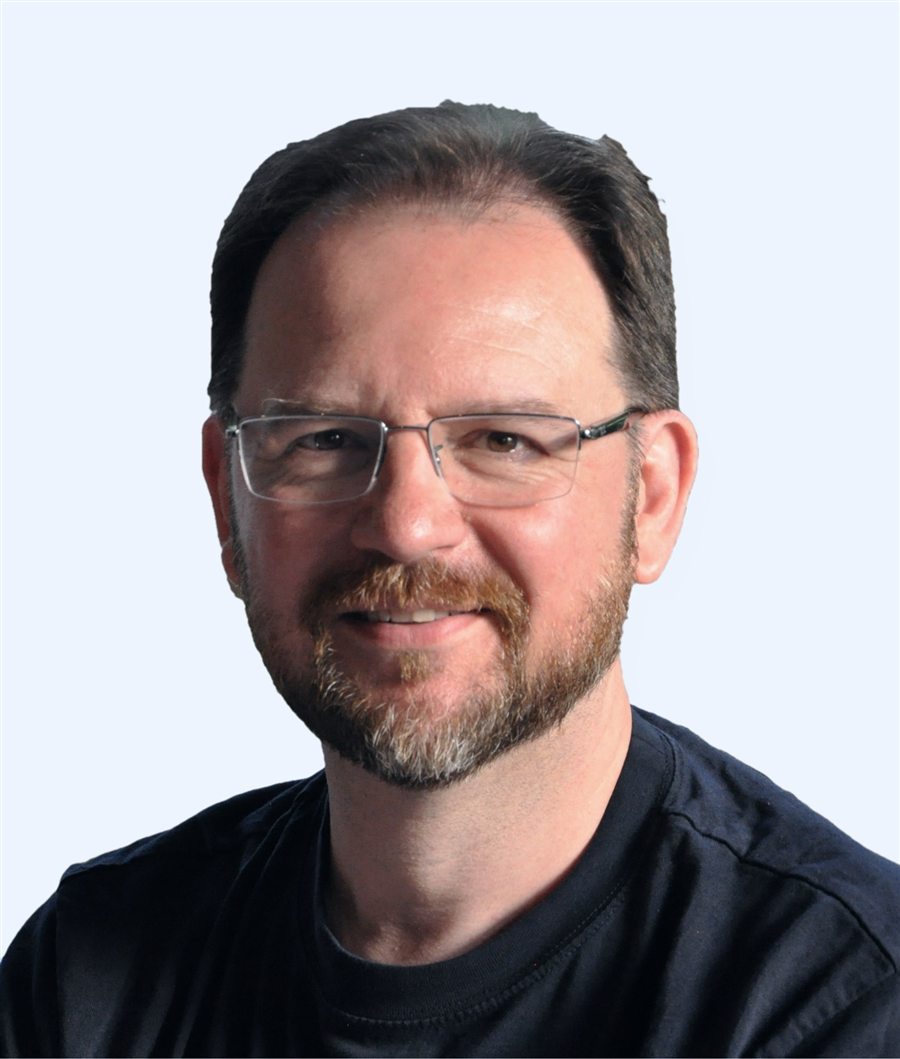 Christian Rocher
Corporate coaching and leadership
Montreal · online
-
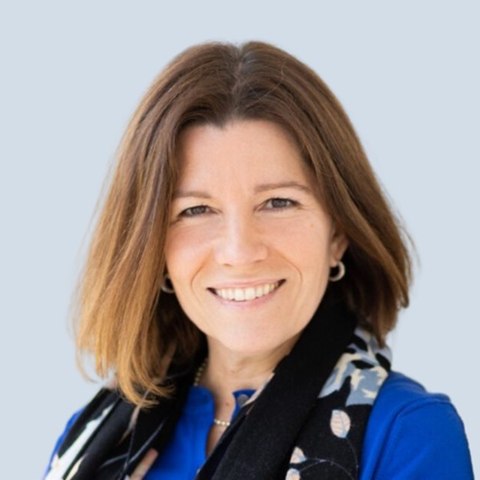 Nuria Pérez de León
Communication, collaboration and team management
Montreal · online
Let’s talk about your project
Thank you for your interest in our services. Tell us about the situation and we will get back to you very soon for a first conversation.
Canada +1 514 742 3590
France +33 6 63 16 26 68
info@coherencecoaching.pro